
Mold can grow silently in the hidden corners of your home, impacting indoor air quality and your health. Mold spores are carried through the air and can cause a range of symptoms, from mild respiratory issues to more severe chronic health problems. This is why it’s vital to understand how to test indoor air quality for mold to protect your home and the well-being of everyone inside. In this guide, we will explore various methods and tools available for mold testing and when it’s time to call in a professional.
What Mold Is and Its Impact on Indoor Air Quality
Mold thrives in damp, poorly ventilated areas, making homes with high humidity levels or water damage particularly vulnerable. When mold spores are released into the air, they can cause allergy-like symptoms, worsen asthma, or even lead to conditions like Chronic Inflammatory Response Syndrome (CIRS). These effects are even more concerning in environments where vulnerable individuals, such as children, the elderly, or those with compromised immune systems, live.
Testing the air quality for mold is the first step to identifying hidden issues that may not be visible on surfaces. By recognizing these problems early, you can prevent the spread of mold and avoid long-term health risks.
Methods for Testing Indoor Air Quality for Mold
There are several ways to test your indoor air for mold contamination, depending on the severity of the issue and the level of detail required. Below are the most common methods:
- Visual Inspection and Odor Detection
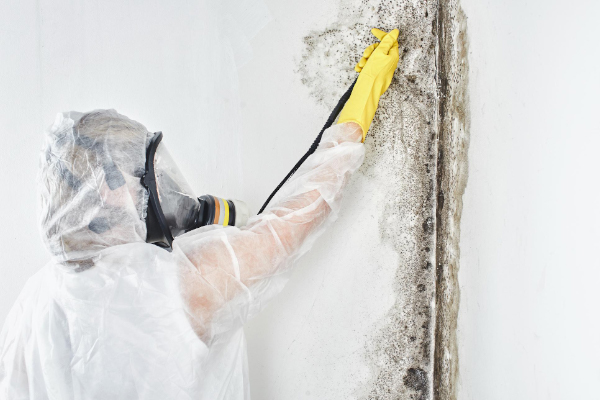
A simple yet effective method for detecting mold is conducting a visual inspection. Look for signs of mold growth on walls, ceilings, floors, and hidden areas like behind furniture, under carpets, and inside air ducts. Mold typically appears as black, green, or white spots and may have a musty, earthy odor. If you can smell the mold but cannot see it, it’s likely that the growth is hidden behind walls, in ventilation systems, or under the flooring.
While this method can help detect mold on surfaces, it does not always indicate the presence of airborne spores that may be affecting air quality. If you notice an unusual smell or see visible mold growth, further testing will be necessary to assess the full extent of the contamination.
- Air Sampling with Mold Test Kits
Mold test kits allow homeowners to collect air samples from inside their homes. These kits can be purchased online or at local hardware stores. They typically contain a petri dish or collection device that collects airborne mold spores for analysis.
Once the sample is collected, it is sent to a laboratory, where the mold spores are examined to determine the type and concentration of mold in the air. Mold test kits are often used for initial investigations, particularly when the extent of mold growth is not visible. However, they can have limitations, as they rely on a sample collected during a specific time frame and may not account for spores that are only present during particular environmental conditions.
- Surface Sampling and Swab Tests
Surface testing is another method for assessing mold contamination, especially in areas with visible growth. This test involves using a swab to collect samples from surfaces where mold is suspected. These swabs are then sent to a laboratory for analysis, where the types of mold present can be identified.
Surface sampling is useful for determining the extent of mold growth in specific areas. However, like air sampling, it does not always provide a complete picture of the overall indoor air quality. If you suspect there may be hidden mold or mold spores circulating in the air, additional testing methods may be needed.
- Moisture Meters and Infrared Thermography
While these tools do not directly test for mold, they can help identify areas at risk for mold growth. Moisture meters detect moisture in walls, floors, and ceilings, helping to pinpoint hidden leaks that could lead to mold development. Infrared thermography uses thermal imaging cameras to detect temperature differences in walls and ceilings, which can indicate areas with excess moisture.
These tools are commonly used by professionals during a mold inspection to detect the source of mold growth. If your home has experienced water damage or leaks, using these methods can help find moisture pockets that may not be immediately visible.
When Should You Call a Professional Mold Testing Service?
Testing indoor air quality for mold is impoetant, but it is not always a task that should be handled by homeowners alone. If you have any of the following concerns, it may be time to call in a professional mold testing service:
- Persistent Symptoms or Health Concerns
If you or your family members experience persistent symptoms such as coughing, sneezing, eye irritation, headaches, or fatigue, it could be a sign that mold is present in your home, even if you can’t see it. Professionals can conduct air quality tests to determine if mold spores are affecting the indoor environment and exacerbating health issues.
- Large or Hard-to-Reach Areas Affected by Mold
If you suspect mold in areas that are difficult to access, such as behind walls, under flooring, or inside HVAC ducts, a professional will have the equipment and expertise to perform thorough testing. Mold growth in these areas can be dangerous to handle without the proper tools, as disturbing the spores can release them into the air, causing further contamination.
- When Mold Has Been Found but the Cause Is Unclear
If mold is found but you’re unsure of the root cause, a professional mold testing company can help identify hidden sources of moisture, which are essential for mold growth. Without understanding the source, mold is likely to return even after removal.
If You Need a Detailed Report for Insurance or Legal Purposes
If you’re planning to file an insurance claim or need a report for legal reasons, it’s best to hire a certified mold inspector. They can provide an official report of the mold findings, which will be required for claims or legal documentation.
How Professionals Test Indoor Air Quality for Mold
Professional mold testing goes beyond simple kits and visual inspections. Here’s a look at how a professional mold inspection is typically conducted:
- Initial Assessment: A professional mold tester will assess your home’s history and any past water damage or potential leaks that could promote mold growth.
- Air Sampling: The inspector will take air samples from various locations throughout the home to test for mold spore concentrations. This helps determine whether the air is contaminated and identifies which types of mold are present.
- Surface Sampling: In addition to air sampling, surface swabs may be taken to identify mold growth on walls, ceilings, floors, or HVAC systems.
- Moisture Detection: Using moisture meters and infrared cameras, the inspector will check areas that are prone to moisture buildup to locate hidden mold or leaks.
- Report and Recommendations: After analyzing the samples, the professional will provide a detailed report and suggest the next steps for mold removal and air quality improvement.
Why Choose Us for Your Mold Testing and Indoor Air Quality Solutions
If you’re concerned about mold in your home, we offer comprehensive mold testing and air quality solutions to protect your health and home. Our team of experts brings years of experience in duct restoration, mold remediation, and air quality improvements. We use innovative techniques, including probiotic and steam cleaning methods, to ensure your indoor air is free from harmful contaminants. Licensed in air-conditioning and mold remediation in Florida, we adhere to NADCA and IAQA standards, guaranteeing safe, effective results.
Contact us today to schedule your inspection and take the first step toward a healthier home.