

Chronic Inflammatory Response Syndrome (CIRS) is a condition caused by exposure to certain biotoxins, which can affect an individual’s immune system. Mold and other environmental toxins play a significant role in triggering CIRS, leading to a wide range of symptoms. Understanding what CIRS is and knowing how to recognize its symptoms can help individuals take the necessary steps for treatment, recovery, and air quality solutions. If you or a loved one is experiencing unexplained health problems, it may be time to explore what CIRS symptoms are and the potential triggers.
 What Is CIRS?
CIRS is a condition where the immune system has an exaggerated response to biotoxins found in the environment. Unlike typical mold allergies, which are often limited to respiratory symptoms, CIRS is much more systemic. The body’s immune system responds to these biotoxins by causing inflammation in various parts of the body, which can affect everything from cognitive function to physical health.
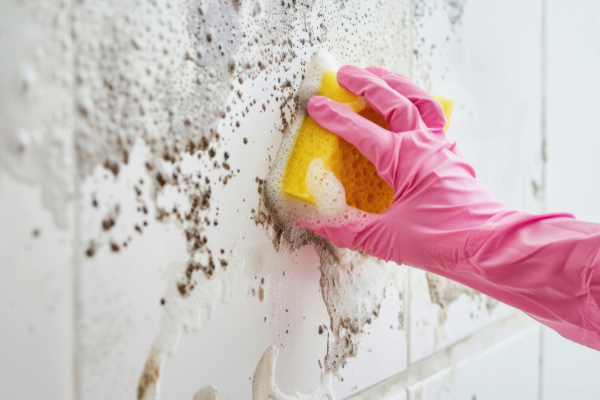
The condition is most commonly associated with exposure to mold, but it can also be triggered by other environmental factors, such as bacteria, mycotoxins, endotoxins, and inflammagens. Mold growth in water-damaged buildings is the most common cause of CIRS. These toxins can be inhaled, ingested, or come into contact with the skin, triggering a cascade of immune responses in susceptible individuals.
What Are CIRS Symptoms?
The symptoms of CIRS can be broad and varied. They affect both physical and mental well-being. Some people experience symptoms immediately after exposure, while others develop them gradually. Understanding these symptoms is key to identifying the condition early and seeking treatment.
- Physical Symptoms
People suffering from CIRS often report experiencing chronic fatigue, similar to that seen in chronic fatigue syndrome. This tiredness can be overwhelming and persistent, making it difficult to perform daily activities. Joint pain, muscle aches, and weakness are also common, often causing discomfort in the neck, back, or limbs.
Other physical symptoms may include frequent headaches, dizziness, and sensitivity to light. This heightened sensitivity can lead to vision problems and contribute to a general sense of discomfort. Unexplained weight fluctuations, including sudden weight loss or gain, can also occur, often in connection with hormonal imbalances caused by the immune response.
- Cognitive Symptoms
Cognitive issues are another hallmark of CIRS. People with this condition often experience brain fog, which includes difficulty focusing, memory problems, and mental confusion. This can make it challenging to think clearly or remember simple tasks. Some individuals also report mood swings, anxiety, and even depression, making it harder to cope with the physical symptoms of the disease.
In severe cases, CIRS can also cause neurological symptoms, including tremors, dizziness, or an inability to concentrate on everyday activities. These symptoms may be mistaken for other conditions such as chronic stress or depression, which is why it’s important to consider the broader environmental factors when diagnosing the condition.
Causes of CIRS
As mentioned, CIRS is typically triggered by exposure to mold in water-damaged environments. However, it is not just the presence of mold that causes CIRS, but the biotoxins that mold produces, which are toxic to the human body. These mycotoxins can be inhaled through the air or absorbed through the skin and cause an immune system reaction in sensitive individuals.
Molds like Stachybotrys chartarum (black mold) and Aspergillus are common culprits found in water-damaged buildings. These molds produce mycotoxins that trigger an inflammatory response. Other biotoxins produced by bacteria, endotoxins, and fungal spores can also lead to CIRS symptoms when they are present in high concentrations in indoor air.
The body’s immune system typically responds to these toxins by initiating an inflammatory response. However, for individuals with CIRS, this process becomes chronic and prolonged, leading to the systemic symptoms that affect the entire body. It is also important to note that not everyone exposed to mold will develop CIRS; genetics and overall health play a significant role in determining an individual’s susceptibility to the condition.
How Long Does It Take for CIRS to Develop?
The development of CIRS can vary from person to person. For some, symptoms may appear immediately after exposure to mold or other environmental toxins. For others, it may take months or even years for symptoms to develop. The length of time someone is exposed to toxins also plays a significant role in the severity of the condition. Prolonged exposure in a poorly ventilated, water-damaged environment increases the likelihood of developing CIRS.
Recognizing CIRS Early
Recognizing CIRS early is critical for preventing further health complications. The longer a person is exposed to biotoxins, the more difficult it can be to recover. If you notice a combination of physical and cognitive symptoms that worsen over time, or if you suspect your environment may be contributing to your health issues, it’s important to consider testing for mold and air quality problems. An early diagnosis can help reduce the long-term effects of the disease and start the process of healing.
How to Diagnose CIRS
Diagnosing CIRS typically involves a combination of clinical tests, including mold testing, and air quality assessmentsin your home or workplace. A medical professional can assess your symptoms and conduct lab tests to determine if your immune system has been triggered by biotoxins. Additionally, environmental testing can identify the presence of mold and mycotoxins in your indoor spaces, helping to confirm the cause of your symptoms.
Some tests used to diagnose CIRS include:
- Blood tests to detect biomarkers of inflammation.
- Genetic tests to assess susceptibility to mold exposure.
- Environmental mold testing to identify mold and mycotoxin levels in the air.
- Urine tests to check for specific toxins produced by mold.
Treatment for CIRS
Treatment for CIRS is multifaceted and often involves removing the source of exposure. This may include mold removal and air quality improvements in your home or workplace. In addition to environmental remediation, a healthcare professional will work with you to manage the symptoms through medication, diet changes, and lifestyle adjustments.
Air Quality Control Environmental can assist with testing and remediation efforts to improve the air quality in your home. We specialize in mold removal, duct cleaning, and proactive prevention strategies to ensure your living space is safe and healthy. Our experienced team uses advanced techniques and equipment to eliminate mold and improve your indoor air quality, helping to reduce symptoms and promote a healthier environment for you and your family.
How to Prevent Mold Growth in Your Home
Preventing mold growth is key to reducing the risk of CIRS and other health problems associated with poor indoor air quality. To protect your home, focus on controlling moisture levels. This can be achieved by repairing any leaks in pipes, roofs, or windows, as well as using dehumidifiers in damp areas like basements and bathrooms. Regularly inspect areas prone to moisture, such as around windows, under sinks, and in air ducts, for signs of mold. Proper ventilation is also essential to reduce humidity and promote airflow. Maintaining a mold-free environment through proactive measures can help you avoid the long-term health effects of mold exposure and create a safer, healthier home for everyone.
When to Call a Professional
If you suspect that mold or poor air quality is causing CIRS symptoms in your home, it is important to call a professional to assess the situation. Early intervention can make a significant difference in preventing long-term health complications. At Air Quality Control Environmental, we offer comprehensive mold testing, removal, and air quality improvement services tailored to your needs. Our team uses cutting-edge techniques, including steam cleaning and probiotic methods, to guarantee that your home is free from harmful toxins. Contact us today to schedule an inspection and take the first step toward a healthier, mold-free home.