

Quick Summary
The air inside your home can turn against you. Humidity feeds mold. Dust piles up in ducts. Chemicals from everyday products linger in sealed rooms. Each factor works alone and together, making the air harder to breathe. Understanding what causes poor indoor air quality helps you see why surface-level fixes fall short and where professional services make a real difference.
You notice it without knowing what to call it. The air feels thick in certain rooms. Your allergies flare up at home but ease up when you leave. Something is off, and it is not just one thing. Several factors work together to degrade indoor air quality, and most of them stay hidden until the effects show up in how you feel.
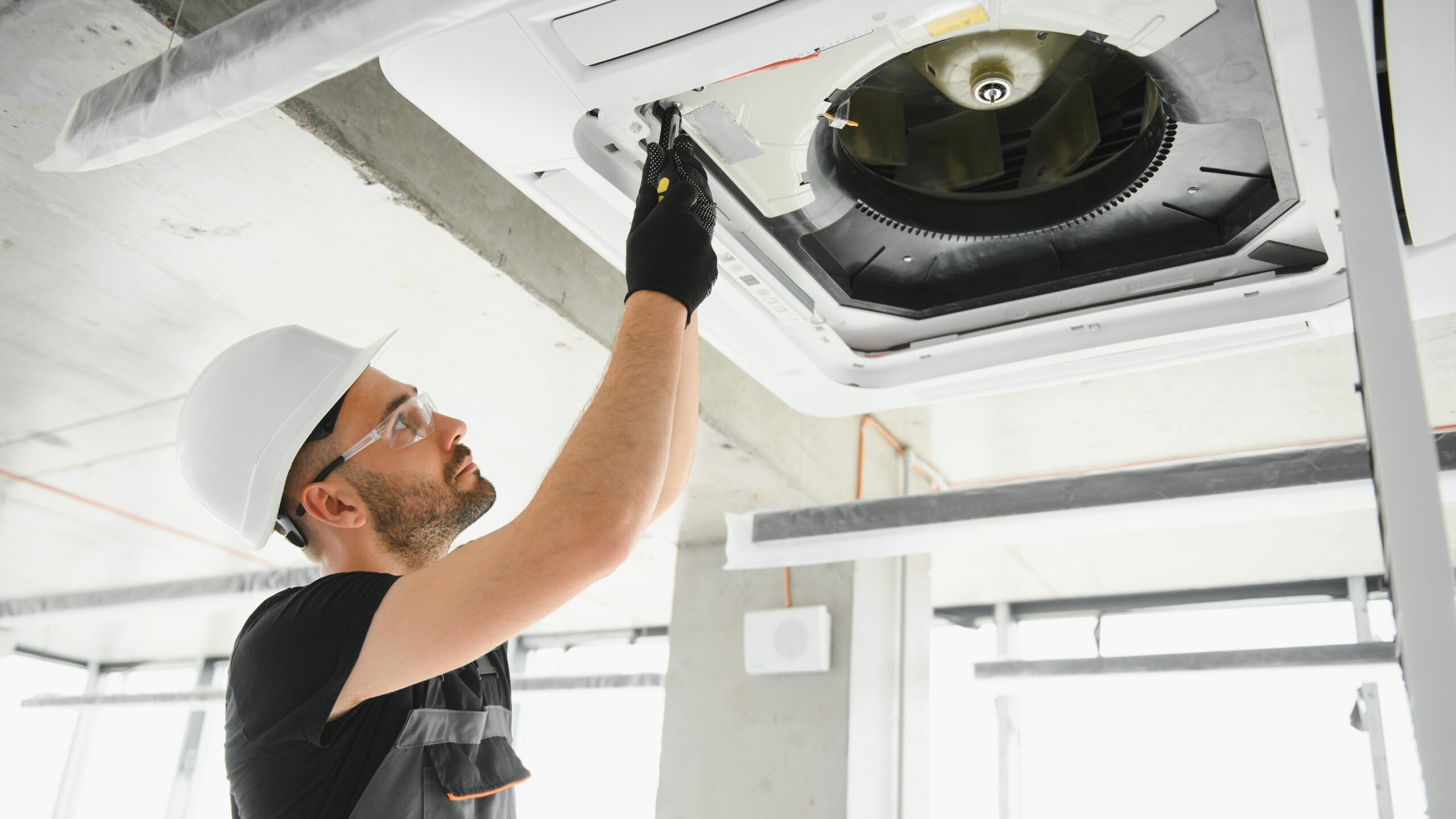
At Air Quality Control Environmental, Inc., we walk into homes every week where people have been living with bad air for years without knowing why. We offer air duct cleaning in Florida, and the inside of a neglected duct system tells the story better than anything else.
Humidity Opens the Door for Everything Else
Florida does not have dry days. Moisture sits in the air month after month. When that humidity seeps into your home, it does more than make you feel sticky. It feeds mold. It helps dust mites thrive. It breaks down materials that release particles into the air.
You might smell the mustiness before you see any spots on the ceiling. By the time visible mold appears, the spores have already been circulating through the ductwork for a while. Humidity alone is a problem. Humidity combined with a dark, warm duct system is an invitation for mold to move in and spread. We have opened ducts where the growth stretched several feet. The homeowners had no idea because everything looked fine from the outside.
Dust and Debris Build Up Where You Cannot See
Every home produces dust. Skin cells, pet hair, fabric fibers, and tracked-in dirt settle into carpets and float through the air. Your HVAC system pulls that air in, conditions it, and pushes it back out. In theory, the filter catches the particles. In reality, a lot of it gets past and settles inside the ductwork.
Over months and years, that buildup gets thicker. Airflow drops. The system works harder. And every time the AC kicks on, it blows microscopic bits of that accumulated dust through your vents and into the rooms where your family sleeps and eats. The question what factors increase poor indoor air quality? starts with what is already inside your ducts, quietly building up where no one looks.
VOCs and Chemicals From Everyday Products
Not every threat comes from dirt. Volatile organic compounds, or VOCs, are chemicals that off-gas from paints, furniture, cleaners, air fresheners, and even new carpet. In a home with good ventilation, they dilute over time. In a Florida home sealed tight for air conditioning, they hang around.
You might get headaches you cannot explain. Your throat feels scratchy. The symptoms come and go, so you do not connect them to the new sofa or the cleaning products under the sink. But those chemicals release gases that accumulate in closed spaces. Without proper air exchange, the concentration builds. Professional indoor air quality services identify these hidden sources and address them at the system level, not just by opening a window.
Poor Ventilation Traps Everything Inside
Older Florida homes were built to breathe. Newer homes and renovated ones are sealed tight for energy efficiency. That keeps the AC in and the heat out, but it also traps everything else. Cooking fumes. Shower steam. Pet dander. Cleaning chemicals. All of it stays inside, cycling through the same ductwork over and over.
The air gets stale. Humidity from daily activities has nowhere to escape. A residential dryer vent cleaning helps with one exit point, but the whole house needs proper air management. When ventilation is poor, every other factor gets amplified because nothing ever leaves.
Pet Dander and Pollen Add to the Load
Florida’s pollen seasons run long. Oak, pine, and grass pollens blow in through open doors and cling to clothing and shoes. If you have pets, their dander joins the mix. All of it gets pulled into the HVAC system and spread evenly through the house.
People who do not have outdoor allergies still suffer indoors because the particles stay trapped. A filter catches some of it, but not all. Over time, the ducts themselves become a reservoir of allergens that keep circulating no matter how much you dust or vacuum the surfaces you can see.
How Professional Services Address These Factors
Each factor feeds the others. Humidity encourages mold. Mold grows in dusty ducts. Dust carries VOCs. Poor ventilation traps everything. That is why piecemeal fixes do not work. Addressing one factor while ignoring the others just shifts the problem around.
Professional assessment looks at the whole picture. Duct cleaning removes the accumulated dust, mold, and debris that keep recirculating. Air purification systems filter out particles that pass through standard filters. Ventilation improvements make sure fresh air moves through the home without letting in Florida’s humidity. Humidity control keeps moisture levels where mold cannot thrive.
At Air Quality Control Environmental, Inc., we have seen homes where the air transformed after a comprehensive approach. Homeowners who had been dealing with headaches, allergies, and musty smells for years suddenly felt the difference. The air felt lighter. The smells disappeared. It sounds dramatic, but when you have been breathing polluted air, clean air feels like a reset.
Professional air quality control addresses the root causes, not just the symptoms. That is what separates a real solution from a temporary fix.
When to Stop Guessing and Get Answers
You cannot see most of what is in your air. You can only feel it. The morning stuffiness. The cough that lingers. The stale smell by the vents. If you have been dealing with symptoms that do not have a clear cause, the air deserves a closer look.
At Air Quality Control Environmental, Inc., we start by understanding what is happening inside your home. Not just the ducts. The whole environment. Humidity levels. Airflow patterns. Signs of mold or buildup. Then we address what we find, systematically, until the air is clean and stays that way.