

Quick Summary
Deteriorated attic ventilation channels drastically undermine household energy efficiency and push mechanical systems toward early failure. Undertaking complete structural remediation removes thermal performance bottlenecks, halts the infiltration of intense ambient heat, and stabilizes internal air delivery pressure. This specialized intervention restores immediate environmental comfort control, reduces monthly power consumption, and provides lasting protection for expensive central cooling machinery.
The extreme environmental conditions found within residential attic spaces accelerate the physical deterioration of climate control distribution networks. Property owners often focus their attention on visible living areas or the primary mechanical equipment, overlooking the intricate web of pathways hidden directly beneath the roofline.
However, these elevated chambers endure intense seasonal temperature spikes and shifting humidity levels that systematically dismantle standard insulation barriers and structural adhesives. Addressing these hidden vulnerabilities by replacing ductwork in your attic is an important step in maintaining a functional, cost-effective home environment.
Why Attic Ductwork Matters More Than Many Homeowners Realize
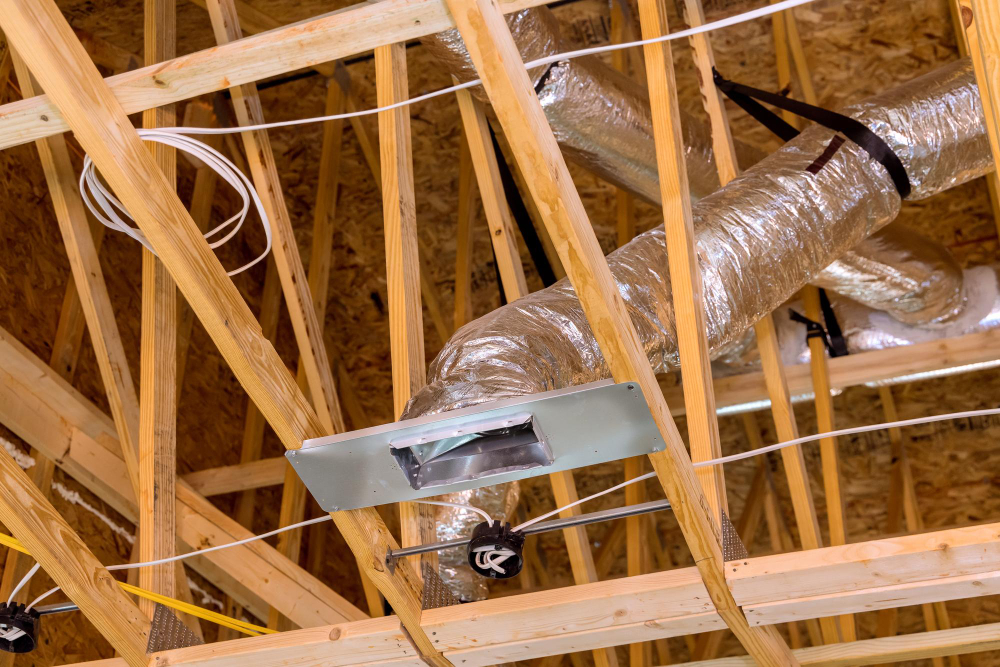
Attic spaces function as massive heat sinks during the peak summer months, frequently reaching temperatures that far exceed the outdoor ambient readings. When distribution channels sit submerged within this extreme thermal zone, a process known as conductive heat gain occurs directly through the channel walls. If the insulation surrounding the inner core has degraded, thinned, or fallen away entirely, the cold air traveling from the air handler warms up significantly before reaching the supply registers.
This thermal degradation means that even if a central cooling unit operates perfectly at the source, the air arriving in the living spaces feels lukewarm. The household climate control system is then forced to run for drastically extended periods to compensate for this continuous thermal loss. This constant influx of radiant heat into the distribution loop directly inflates monthly power bills while actively preventing the interior from reaching a comfortable, crisp temperature.
Common Causes of Ductwork Damage in Attics
Duct systems naturally experience wear over time, but attic conditions often accelerate the process.
Extreme Heat Exposure
High attic temperatures place constant stress on duct materials and insulation. Flexible ducts may weaken or sag after years of exposure.
Moisture and Humidity
Florida’s humidity can create condensation around poorly insulated ducts. Moisture buildup may lead to mold growth and insulation deterioration.
Aging Materials
Older duct systems may contain worn insulation, cracked seals, or deteriorating connections. Materials eventually lose their ability to contain airflow effectively.
Pest Activity
Rodents and insects sometimes damage duct insulation or create openings in duct lines inside attics.
Poor Installation
Improper duct sizing or loose connections from older installations can create airflow problems from the beginning.
Physical Damage
Technicians or contractors working inside attics occasionally step on ducts or accidentally disconnect sections during repairs.
Warning Signs Your Attic Ductwork Needs Replacement
Many homeowners assume HVAC issues always involve the air conditioner. In reality, damaged ducts often create the same symptoms.
Unexpected Utility Spikes
An unexplained increase in your monthly electrical bills often points directly to overhead distribution failure. When attic lines crack or tear, massive amounts of expensive, conditioned air escape into the roof cavity, forcing your system to run longer cycles to cool the home.
Persistent Hot Spots
If certain rooms remain uncomfortably warm while others stay cool, your overhead pathways are likely failing. Deteriorated insulation or broken seals on long runs to distant bedrooms prevent balanced volumetric air delivery, ruining your indoor comfort.
Excessive Interior Dust
Failing air paths under the roofline frequently pull in fine particulate matter, insulation fibers, and outdoor allergens through return-side leaks. The system then continuously pushes these microscopic pollutants throughout your living spaces, causing a noticeable buildup of dust on furniture.
Restricted Airflow
Weak or sluggish air movement coming from your ceiling supply grilles indicates physical damage beneath the roofline. Sagging flexible conduits or crushed internal cores create massive dynamic friction that chokes system velocity and strains your blower motor.
Why Replace Ductwork in the Attic?
Modern duct systems help HVAC equipment operate more effectively. Replacing damaged ducts restores proper airflow and reduces energy waste throughout the home.
Strategic Asset Management and Capital Preservation
When an old, deteriorating ventilation setup undergoes a professional air duct replacement in attic installations, the property value receives an immediate structural boost. Home inspectors always pay close attention to the age and physical condition of visible attic infrastructure during property transfers. Having a modernized, high-efficiency distribution layout in place provides strong assurance to future buyers while immediately slashing current monthly utility expenditures.
Furthermore, reducing the daily run times of the main cooling unit postpones the massive capital expense of a complete HVAC system replacement. By lowering the operational burden on the current compressor and blower motor assembly, property owners keep their hard-earned capital in their bank accounts rather than spending it on avoidable mechanical overhauls. This strategic improvement protects both the physical structure of the home and the long-term financial health of the household.
Restoring Balance and Uniform Thermal Mapping
Persistent temperature variations between different wings of a home are almost always a symptom of distribution failure rather than mechanical incapacity. When a master bedroom remains uncomfortably warm while a downstairs living area feels excessively chilly, the underlying problem typically traces back to compromised attic runs. Over time, lines that supply distant rooms experience more severe thermal degradation simply because the air must travel across a longer stretch of compromised environment.
Undergoing a comprehensive spatial reorganization and layout update allows technicians to re-establish proper volumetric air balancing throughout the property layout. New, properly calculated branch lines ensure that every single cubic foot of air entering a room precisely matches the specific thermal load of that space. This deliberate layout design completely eliminates stubborn hot zones, allowing families to enjoy uniform comfort across the entire household footprint.
Alleviating Severe Mechanical Fatigue to Secure System Longevity
The mechanical components of a central cooling system are designed to function within highly specific pressure and timing parameters. When distribution paths are choked, leaking, or improperly sized, the entire mechanical apparatus operates under a condition of constant structural strain. Blower motors must pull more electrical current to push air past restrictions, causing internal wiring and control boards to overheat and fail prematurely.
This prolonged operational stress also impacts the main outdoor compressor, which must cycle far more frequently to meet the constant cooling demand caused by thermal loss. Frequent cycling accelerates physical wear on internal bearings, seals, and electrical contacts, leading to unexpected mechanical breakdowns during periods of extreme heat. Investing to replace ductwork in attic spaces removes these artificial operational loads, allowing expensive mechanical equipment to run efficiently and achieve its full projected service lifespan.
Why Florida Homes Face Greater Ductwork Challenges
Residential properties in tropical environments endure severe environmental stresses that drastically accelerate the degradation of overhead ventilation networks. The intense solar radiation hitting rooflines creates oppressive attic temperatures that routinely exceed one hundred and thirty degrees. This extreme radiant heat causes standard flexible outer jackets to become brittle and cracks traditional joint sealants over time.
Concurrently, high regional humidity levels introduce intense vapor drive, forcing moisture through tiny structural imperfections in the distribution lines. This localized moisture accumulation mats down insulation blankets, stripping away their thermal resistance and causing the cooling system to labor intensely against constant latent workloads. Booking a professional air duct replacement in Florida resolves these climate challenges by utilizing specialized, custom-engineered installation methodologies built to withstand prolonged thermal strain.
At Air Quality Control Environmental, Inc., we help homeowners improve airflow, indoor comfort, and air quality through duct replacement, duct restoration, and air purification solutions. Our team works with homes across Florida to address aging duct systems, airflow restrictions, and contamination concerns. We focus on long-term HVAC performance while helping property owners create cleaner indoor environments.
Modern Engineering Standards for Overhead Ventilation Systems
The materials and installation methodologies utilized in contemporary residential distribution networks represent a massive evolutionary leap over legacy systems. Older properties frequently feature gray vinyl flexible lines that possess low thermal resistance and are highly susceptible to early UV degradation and material brittleness. Upgrading these outdated setups allows homeowners to take full advantage of advanced manufacturing improvements designed specifically to withstand harsh overhead environments.
Modern high-performance distribution components utilize heavy-duty outer vapor barriers woven with reinforcing scrim lines to resist punctures and tearing. The internal cores feature smooth, antimicrobial linings that reduce surface friction while preventing the accumulation of fine particulate matter. Additionally, modern installations demand significantly higher R-value insulative blankets, ensuring that cold air generated by the air handler arrives at the supply register with virtually zero thermal variance.
Tips for Long-Term Ventilation Performance
Maintaining the efficiency of a newly updated overhead air distribution system requires a combination of professional care and proactive homeowner awareness. Implementing consistent maintenance habits ensures that the structural investment continues to deliver peak performance for decades to come. Property owners should focus on these critical ventilation reminders:
- Inspect attic access hatches regularly to ensure the weatherstripping remains completely intact, preventing living space air from migrating upward.
- Examine the performance of attic ventilation systems, such as ridge vents or powered exhaust fans, to keep ambient overhead temperatures as low as possible.
- Avoid storing heavy holiday decorations or heavy storage boxes directly on top of exposed insulated air lines to prevent internal core crushing.
- Schedule regular professional mechanical tune-ups to verify that the system static pressure remains perfectly within the manufacturer’s specified range.
Boosting Home Efficiency with Ductwork Replacement in Attic
Your attic ductwork directly affects how well your HVAC system cools, circulates air, and controls humidity inside your home. Damaged ducts can waste energy, reduce comfort, and circulate contaminants throughout living spaces. Replacing aging ducts often improves airflow, indoor air quality, and long-term HVAC efficiency.
Homes in Florida face especially demanding attic conditions that place extra stress on duct systems year-round. Addressing failing ductwork early can help reduce energy waste while improving comfort throughout the home. Learn more about our air duct replacement services and schedule a professional duct inspection with our team today.