
Quick Summary
Pairing a modern, high-efficiency cooling unit with an aged, leaking air delivery network bottlenecks the performance of your new equipment. Upgrading your pathways eliminates severe thermal loss, stabilizes internal static pressure, and prevents expensive mechanical components from burning out early. This strategic physical overhaul leads to proper climate balance throughout the home while drastically cutting down your monthly power bills.
Many homeowners assume that replacing the outdoor condenser or indoor air handler automatically solves every cooling issue inside the home. In reality, the duct system plays an equally important role in HVAC performance. Even the most advanced air conditioner cannot operate efficiently if conditioned air struggles to move through damaged or poorly designed ductwork.
Replacing ducts when installing new AC equipment often helps homeowners avoid airflow restrictions, rising utility costs, and uneven cooling problems. Older ducts may contain leaks, deteriorated insulation, or improper sizing that prevent the new system from reaching peak performance. Before investing in new cooling equipment, it is important to evaluate how well the duct network supports the entire HVAC system.
Why Older Ductwork Can Limit a New AC System
Modern air conditioning systems are designed to operate within specific airflow and pressure ranges. When older duct systems fail to support those requirements, efficiency drops quickly.
Restricted Airflow Creates System Strain
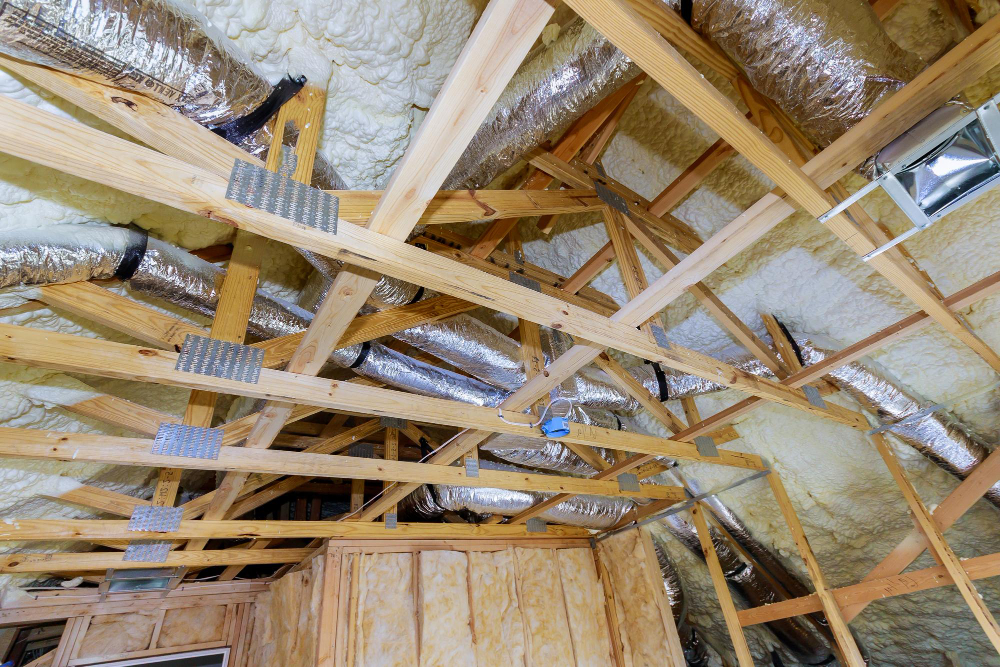
Modern cooling units use variable capacity mechanisms to adjust airflow perfectly based on real-world indoor humidity and temperature conditions. An old, leaky pathway network allows a massive portion of that freshly chilled air to escape into empty structural voids like your attic or walls before it ever reaches your living space.
This continuous thermal loss forces your expensive new compressor to run drastically extended cycles just to satisfy the thermostat settings. You end up paying for a premium, high-efficiency unit but continuing to suffer through the exact same high electric bills as before. Upgrading your home infrastructure via strategic replacing ductwork stops this expensive energy waste completely, letting your new equipment run short, cost-effective cycles.
Protecting Your Premium Mechanical Assets
The mechanical components inside contemporary air handlers are highly sensitive to internal pressure imbalances. If your existing distribution network is undersized or choked with debris, the internal static pressure inside the system climbs dangerously high. This high resistance forces the fan motor to pull excess electrical current, causing control boards and wiring to overheat and fail prematurely.
Furthermore, severe airflow restrictions can cause your brand-new indoor evaporator coil to drop below freezing, turning normal condensation into a solid block of ice. This freezing completely halts the cooling process and can cause liquid refrigerant to flood back into the outdoor compressor, destroying it entirely. Upgrading your delivery network eliminates these hidden mechanical hazards, protecting your new system from early breakdowns and expensive repair bills.
Keeping Mugginess Out and Controlling Humidity
In warm regions, leaky return channels act like giant vacuums, sucking damp, unconditioned ambient air straight into your home’s breathing loop. This continuous influx of heavy outdoor moisture places a massive latent workload on your fresh machinery, forcing it to spend all its energy wringing water out of the air instead of lowering the actual room temperature. This problem leaves your living spaces feeling sticky and muggy, tempting you to lower your thermostat even further and wasting more electricity.
Undertaking a comprehensive physical cleanup via replacing AC ductwork entirely seals the loop against this moisture migration. This improvement allows your new equipment to maintain a crisp, beautifully dry indoor climate effortlessly without needing sub-cooling adjustments. Controlling this humidity at the source is the key to creating a truly comfortable, healthy interior environment.
Navigating Distinct Seasonal Climate Pressures
Residential properties built in coastal or tropical locations face brutal environmental conditions that destroy cheap building materials twice as fast as in milder regions. The combination of baking solar radiation hitting rooflines and endless humid seasons puts an unmatched burden on home cooling setups. For homeowners managing real estate in these intense climates, baseline, generic maintenance approaches are rarely enough to stop early system failure.
Partnering with local specialists ensures your upgrades are engineered to survive these heavy climate strains. Scheduling a comprehensive air duct replacement in Florida demands rugged installation steps, including heavy-duty mastic paste and advanced vapor barriers built to withstand intense attic heat. Using materials designed to repel moisture prevents condensation problems, ensuring your new network stays clean, dry, and performing perfectly for decades.
Securing Perfect Peace of Mind and Lasting Home Comfort
Overlooking the physical state of your ducts when upgrading your AC inevitably hurts your monthly finances and shortens the life of your new machinery. Air Quality Control Environmental, Inc. specializes in delivering precise, high-performance duct design, structural restoration, and complete layout installations that maximize mechanical output.
We evaluate the unique layout of your property to install custom-tailored, fully optimized delivery paths that restore correct system pressure, lower energy demand, and ensure your system runs smoothly. To take the first step toward a more efficient home, reach out to our team to book a professional duct inspection today.