
Quick Summary
Leaky, degraded air ducts severely undermine cooling efficiency by forcing HVAC systems to run longer and consume excessive energy. Undertaking a complete pathway overhaul seals thermal barriers, eliminates dynamic airflow restrictions, and optimizes structural pressure throughout the home. This direct remediation lowers monthly utility bills, balances indoor temperatures, and shields expensive cooling machinery from premature operational failure.
Central cooling units rely entirely on a balanced network of channels to distribute conditioned air throughout a home. When these pathways deteriorate, the fundamental mechanics of thermal transfer break down, creating severe operational drag.
Homeowners often attribute poor cooling or rising utility expenses to mechanical failures within the outdoor condenser or the indoor air handler. However, structural degradation within the hidden ventilation network is a primary catalyst for systemic inefficiency. Investing in targeted duct replacement for AC performance addresses these baseline restrictions, yielding immediate improvements in systemic operations.
Why Ductwork Matters to AC Efficiency
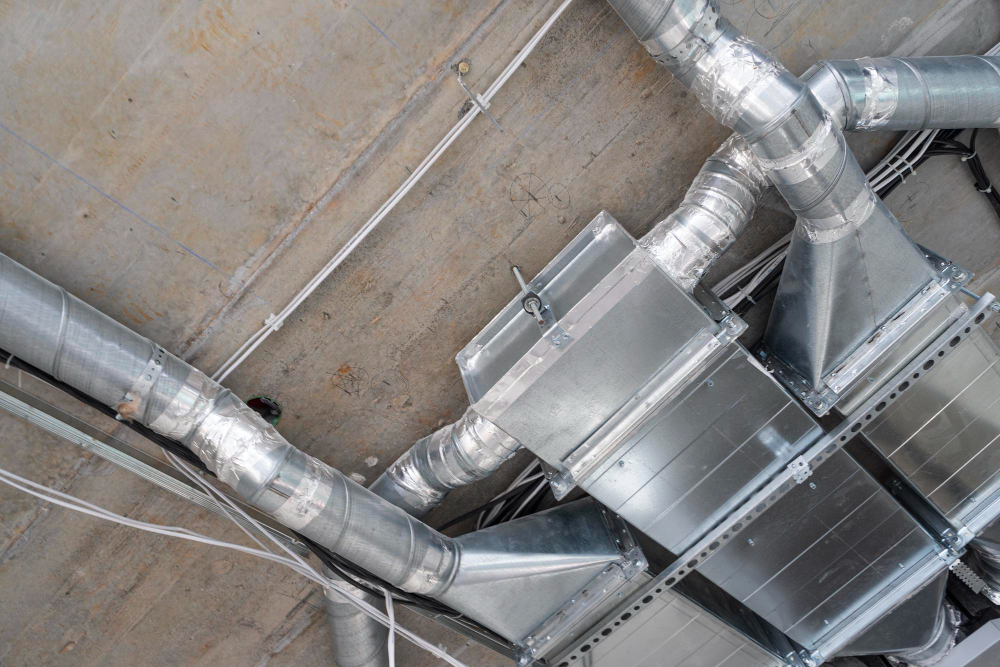
Your HVAC system relies on balanced airflow to cool your home properly. The duct network distributes conditioned air from the air handler into each room. If the ducts have leaks or restrictions, the AC system must work longer to reach the desired temperature.
Even small air leaks can waste cooled air before it reaches living spaces. Over time, this increases wear on the system and causes inconsistent cooling throughout the home. Damaged ducts also allow dust, insulation particles, and humidity to enter the airflow.
Many older homes still contain duct systems that were installed decades ago. Materials can deteriorate with age, especially in Florida attics where extreme heat and moisture accelerate damage. Replacing worn ductwork often improves overall system function more than homeowners expect.
Signs Your Ductwork May Need Replacement
Duct problems do not always appear immediately. In many homes, the issues build gradually until comfort and efficiency noticeably decline.
Uneven Temperatures Throughout the Home
One room may feel cool while another stays warm and humid. This often happens when airflow becomes restricted due to damaged or disconnected ducts.
Rising Energy Bills
When conditioned air escapes through leaks, your AC runs longer to compensate. Higher monthly utility costs often point to airflow inefficiencies inside the duct system.
Weak Airflow from Vents
If airflow feels weak even after replacing filters or servicing the AC unit, damaged ducts may be reducing pressure throughout the system.
Excess Dust Indoors
Leaky ducts can pull attic debris and contaminants into the air supply. Homeowners may notice more dust buildup around vents and furniture.
Noisy Ductwork
Rattling, whistling, or popping sounds may indicate loose connections or failing duct materials.
Persistent Humidity Problems
Poor airflow makes it harder for your AC system to control indoor moisture levels. This can leave rooms feeling sticky even while the system runs constantly.
How Duct Replacement Boosts AC Performance
A properly designed duct system allows air to move efficiently throughout the home. Replacing damaged ducts can improve several areas of HVAC performance at the same time.
Better Airflow Distribution
New ductwork restores balanced airflow across all rooms. This allows conditioned air to circulate more evenly and helps eliminate hot or cold spots.
Reduced System Strain
Leaking ducts force the air conditioner to work harder than necessary. Replacing old ducts lowers stress on major components such as the compressor and harder blower motor.
Faster Cooling Cycles
Improved airflow helps the AC system cool rooms more efficiently. Shorter run times can reduce energy consumption and lower operating costs.
Improved Indoor Air Quality
Older ducts often collect dust, allergens, and microbial growth over time. Replacing contaminated ductwork helps create a cleaner indoor environment.
More Consistency
Balanced airflow allows temperatures to remain steady throughout the home. Homeowners often notice improved comfort immediately after installation.
The Impact of Florida’s Climate on Duct Systems
Florida homes place heavy demands on HVAC equipment. High humidity and long cooling seasons increase strain on both the AC unit and the ductwork.
Attics often reach extremely high temperatures during the summer. Over time, this heat can weaken duct materials and damage insulation surrounding the ducts. Humidity can also contribute to condensation buildup, especially when ducts have leaks or poor sealing.
Moisture inside duct systems may lead to mold growth and poor indoor air quality. Damaged ducts can also pull unconditioned attic air into the airflow, making cooling less effective.
Because of these conditions, many homeowners seek air duct replacement in Florida after noticing declining comfort and rising energy costs. Replacing worn ductwork helps improve airflow while reducing moisture-related issues inside the system.
Common Problems Found in Older Ductwork
Many older duct systems contain issues that continue to worsen over time. Some of the most common problems include:
- Torn or disconnected flexible ducts
- Crushed or sagging duct lines
- Loose connections at vents and plenums
- Poor insulation around ducts
- Mold contamination from moisture exposure
- Excessive dust buildup inside ducts
- Improper duct sizing from older installations
These issues can significantly reduce system efficiency. In some cases, homeowners replace the AC unit without addressing the failing ductwork connected to it. This limits the performance of the new equipment and may shorten its lifespan.
At Air Quality Control Environmental, Inc., we help homeowners improve indoor comfort through duct restoration, replacement, air purification, and indoor air quality solutions. Our team uses advanced cleaning methods and follows industry standards to address airflow and contamination concerns. We focus on long-term solutions that help cooling systems operate more efficiently in Florida homes.
Strategic Tips for Maximizing Home Ventilation Efficiency
Achieving peak performance from a home ventilation setup involves a combination of structural remediation and smart operational habits. Homeowners looking to maximize the return on their mechanical investments should consider implementing these vital maintenance reminders:
- Keep supply vents and return grilles completely unobstructed by furniture, heavy drapes, or interior decorations to maintain the designed system pressure.
- Monitor the condition of visible connection points in basements or utility closets for signs of dark dust staining, which indicates active localized air leaks.
- Swap out standard filtration media at regular intervals to prevent restrictive dirt accumulation from adding unnecessary static strain to the new distribution network.
- Schedule annual professional inspections to ensure structural connections remain secure and free from seasonal pest intrusions or physical shifts.
When Repair Is Not Enough
Some duct issues can be repaired successfully, especially when damage is isolated to one area. However, older systems with widespread deterioration often require full replacement.
Replacement may become the better option when:
- Ducts are more than 15 to 20 years old
- Mold contamination spreads throughout the system
- Multiple sections have major leaks
- Airflow problems affect several rooms
- Insulation has deteriorated extensively
- Energy bills continue rising despite repairs
A professional inspection helps determine if repair or full replacement makes more sense for the home.
A Stronger Cooling System Starts with Better Ducts
Your air conditioner can only perform as well as the duct system connected to it. Damaged ducts reduce airflow, increase energy waste, and place unnecessary stress on HVAC equipment. Replacing aging ductwork often improves comfort, indoor air quality, and cooling efficiency throughout the home.
If your home struggles with uneven temperatures, weak airflow, or rising utility costs, professional duct evaluation may reveal hidden issues affecting system performance. Learn more about our air duct replacement services and schedule an inspection with our team today.