

Quick Summary
Longer drying times, excess heat, and a faint burning smell are common signs of a cloggmold growthed dryer vent, and lint buildup along bends and joints is typically the cause. Left unaddressed, restricted airflow raises fire risk, increases energy use, and can trap moisture that contributes to mold near the laundry area. Simple checks like watching the exterior vent flap or inspecting the hose behind the dryer help catch early warning signs, though vents with longer runs or multiple bends often need a professional evaluation to assess properly.
A load of laundry that used to dry in forty minutes now takes over an hour, and the clothes still come out warmer than usual instead of fully dry. This is a familiar frustration in many homes, and it often points to one specific cause. A clogged dryer vent restricts airflow, forcing the dryer to work harder while accomplishing less. The signs usually show up gradually before anyone connects the dots.
Air Quality Control Environmental, Inc. inspects dryer vent systems in South Florida homes regularly, and the same warning signs keep coming up. Learn what to watch for to know if your dryer vent is clogged, why it matters, and when it’s worth having someone take a closer look.
Common Signs Your Dryer Vent Is Clogged
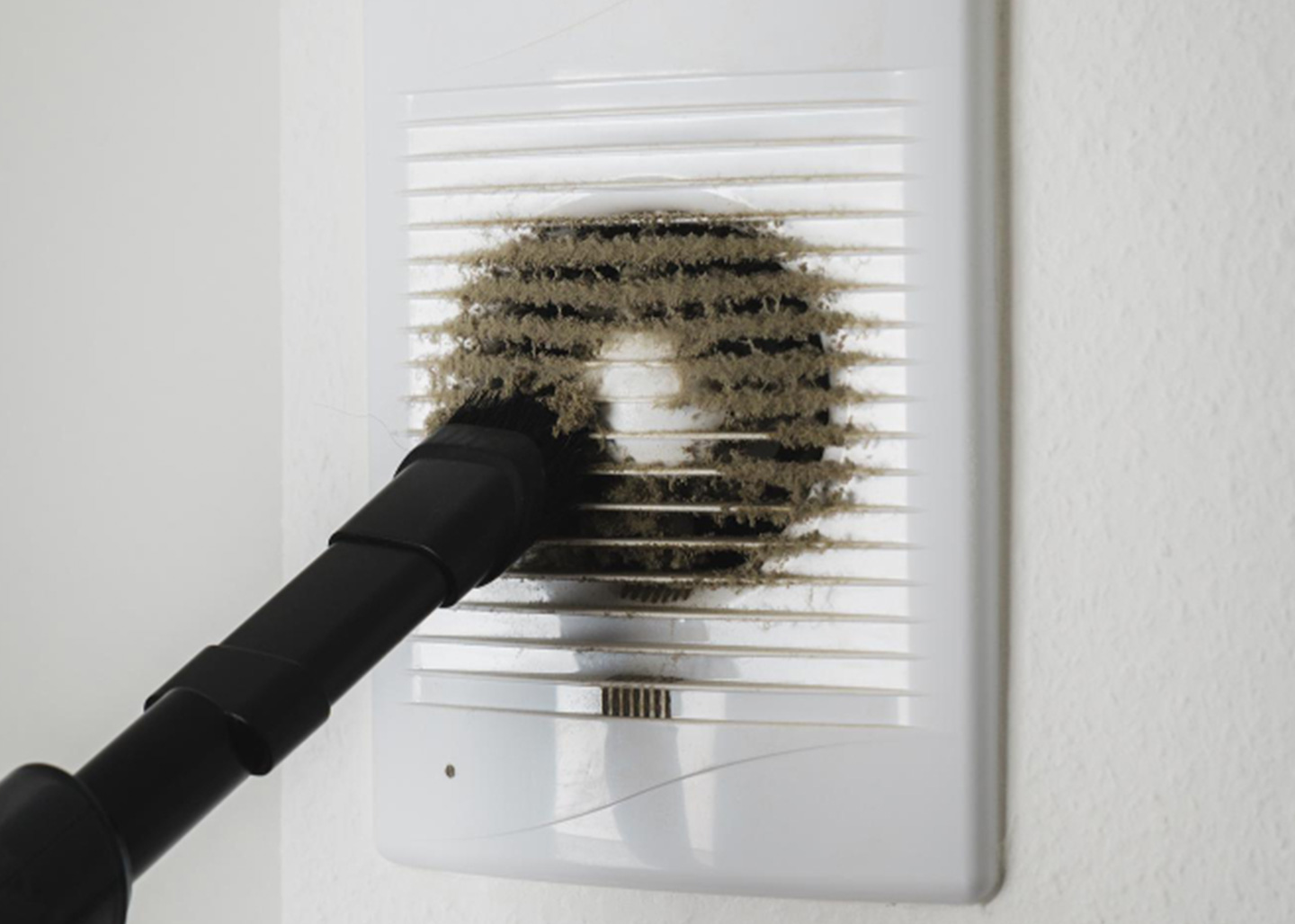
Lint, dust, and small fabric fibers build up inside dryer vents with every load. Over months of regular use, this buildup narrows the pathway air needs to travel through, and the dryer starts showing symptoms that are easy to overlook individually. Watch for these patterns:
- Longer drying times: Clothes need multiple cycles to fully dry, even on normal settings
- Excessive heat: The dryer, laundry room, or clothes themselves feel hotter than usual after a cycle
- Burning smell: A faint burnt odor appears during or after drying
- Visible lint: Lint collects around the outside vent opening or the dryer’s exterior
- Musty odor on clothes: Laundry smells slightly damp or stale even after a full cycle
- Vent flap barely moves: The exterior vent flap doesn’t open fully when the dryer runs
- Dryer feels hot to the touch: The exterior of the appliance runs noticeably warmer than normal
A single sign here or there doesn’t always confirm a problem. Several appearing together over a few weeks usually means airflow is more restricted than it should be.
Why a Clogged Dryer Vent Happens in the First Place
Lint is the main culprit, but it’s not the only one. Even with a clean lint trap after every load, some fine lint escapes and travels farther down the vent line, where it eventually collects along bends, joints, and the exterior opening. Homes with longer vent runs tend to accumulate buildup faster since airflow has more opportunities to slow down along the way.
Bird nests and small debris can also block the exterior vent opening, particularly in homes where the vent hasn’t been checked in a while. This is common in Florida, where outdoor vents face wind, rain, and the occasional curious critter looking for a warm, sheltered spot.
Crushed or kinked vent hoses contribute to the problem as well. Flexible foil or plastic hoses can develop bends over time, especially if you move the dryer or push it back against a wall. These bends create narrow points where lint collects more easily than it would in a straight, unobstructed line.
The Risks of Ignoring Clogged Dryer Vents
A dryer that takes longer to dry clothes is inconvenient, but the risks go beyond wasted time. Restricted airflow forces the dryer’s heating element to work harder and run longer, increasing energy use and adding wear to the appliance over time. This can shorten a dryer’s lifespan and lead to costlier repairs down the road.
Lint itself is highly flammable, and a vent packed with buildup creates conditions where heat has fewer ways to escape. Combined with a heating element running for extended periods, this combination is a recognized cause of house fires, particularly in homes where the vent hasn’t had attention in several years. If you’ve noticed a clogged dryer vent based on the signs above, addressing it sooner can reduce this risk considerably.
Moisture buildup is another overlooked concern. A vent that isn’t clearing air properly traps humidity inside the dryer and surrounding walls, which can contribute to mold growth in the laundry area over time. This is especially relevant in Florida’s climate, where humidity runs high for much of the year.
How Clogged Dryer Vents Affect Indoor Air
Dryer vents connect directly to the outside, but a clog changes how air moves through the whole system. Moisture and lint particles that can’t escape properly sometimes work their way back into the laundry room instead, releasing fine fibers and warm, damp air into the home. Households sensitive to dust or allergens can notice this more than others, especially if the laundry room sits close to living spaces or bedrooms.
Vent systems that stay clogged for extended periods can also develop odors that linger beyond the laundry room itself. A musty smell near the dryer, even when it’s not running, often points to trapped moisture that hasn’t had a proper path to escape. This connects to a broader pattern seen across home ventilation systems, where restricted airflow anywhere in the house tends to affect indoor air quality more broadly than homeowners expect.
Simple Checks You Can Do at Home
A few checks give a reasonable sense of how a dryer vent is performing without needing any special tools. Cleaning the lint trap before every load remains the most basic habit, and it catches a large share of lint before it ever reaches the vent system.
Stepping outside while the dryer runs is another useful check. The exterior vent flap should open with a noticeable amount of air pushing through it. A flap that barely moves, or airflow that feels weak compared to what you’d expect, suggests a blockage somewhere along the line.
Checking behind the dryer periodically also helps. Look for any visible kinks or crushed sections in the vent hose, particularly if the dryer has been moved recently for cleaning or repairs. Straightening a kinked hose is a simple fix that can restore proper airflow without any further work.
When It’s Time for a Professional Look
Some situations call for more than a homeowner check. If drying times have doubled or tripled, if a burning smell continues even after cleaning the lint trap, or if the exterior vent hasn’t been inspected in a couple of years, a professional evaluation makes sense.
Vent runs with multiple bends or longer distances between the dryer and the exterior wall are also harder to assess without the right tools. Buildup in those sections isn’t always visible from either end.
Homes that have undergone recent renovations, or where the exterior vent opening shows visible nesting material or debris, also benefit from a closer inspection. A professional can access the full length of the vent system and check for buildup, damage, or blockages that wouldn’t be visible during a basic homeowner check.
Keeping Your Home’s Air System Working the Way It Should
A dryer vent is a small part of a home’s overall ventilation, but it plays a real role in comfort, safety, and how well your dryer performs load after load. Air Quality Control Environmental, Inc. has worked with South Florida homeowners for years, helping them understand what’s happening inside vent systems and ductwork throughout the home.
Dryer vents connect to the broader air systems within a home, so checking the ductwork can often go hand in hand with dryer vent service. This is especially useful for homes dealing with humidity, allergies, or other indoor air concerns related to air duct cleaning in Florida.
Taking Action Before a Small Issue Grows
Longer drying times, a burning smell, or excess heat near the dryer are signs to take seriously. Addressing a clogged vent early reduces fire risk, cuts energy waste, and keeps your laundry room air fresh instead of damp or stale.
Talk to our team about what a closer look at your dryer vent could reveal.