

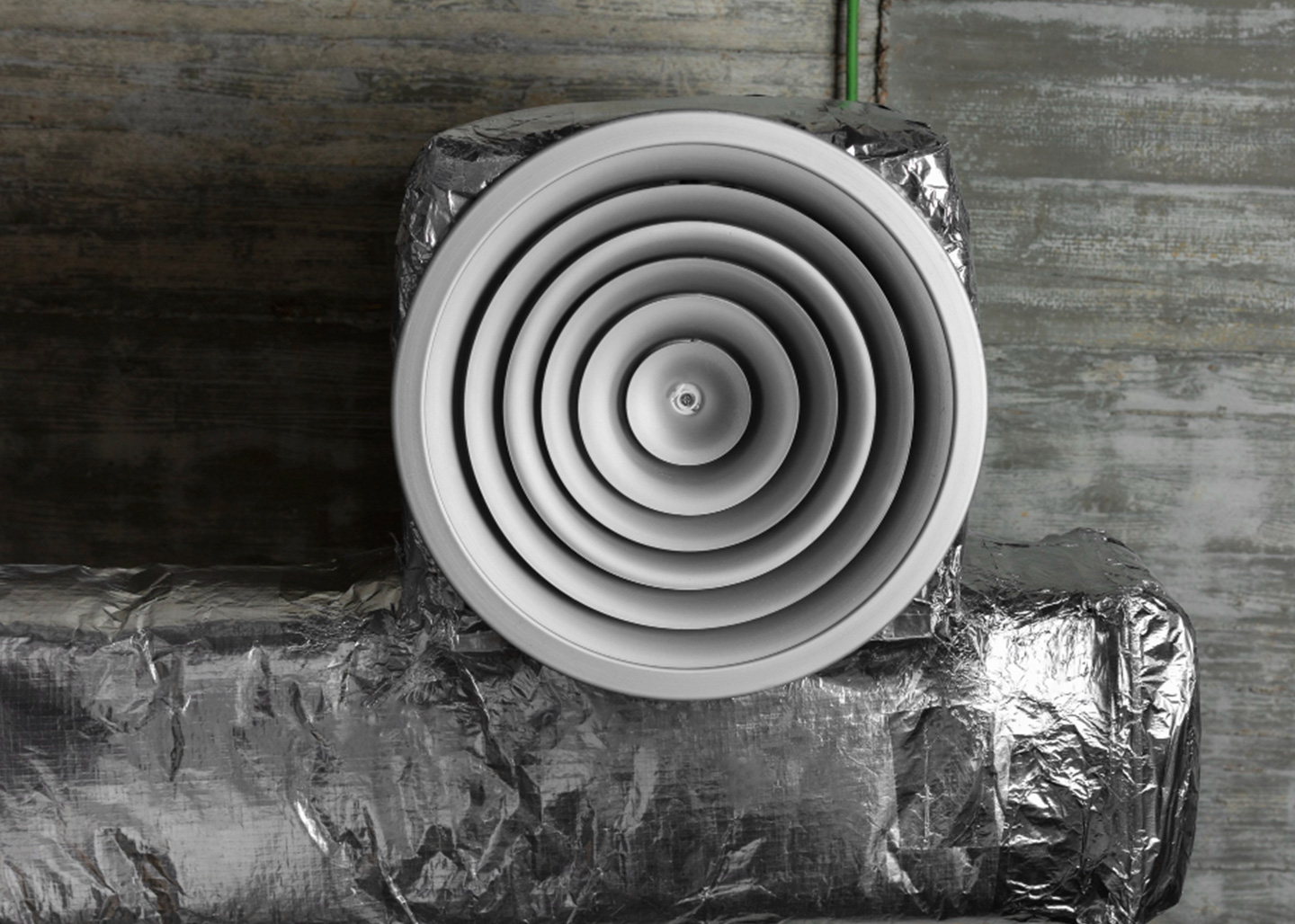
Quick Summary
Dirty air ducts build up gradually, and the effects often surface as dust that returns quickly, musty odors, uneven room temperatures, and allergy symptoms that flare up indoors. Children, older adults, and household members with asthma or allergies typically notice these changes first, since their airways react faster to airborne particles. Florida’s humidity adds another layer, since it creates favorable conditions for mold growth inside ductwork. Simple habits like regular filter changes and humidity control slow the buildup, though a periodic professional inspection remains the clearest way to know what a duct system is actually holding onto.
Your home’s air system works around the clock, pulling air in, cooling it, and pushing it back out through a network of ducts you rarely see. A dirty air duct sits quietly behind walls and ceilings, collecting dust, pollen, and debris long before anyone notices a problem. Florida’s heat and humidity make this an easy environment for buildup to grow, and the air your family breathes every day passes directly through it.
At Air Quality Control Environmental, Inc., we spend our days inspecting duct systems across South Florida homes, and the pattern is consistent. Families rarely think about their ducts until someone starts sneezing more, or a strange smell shows up when the AC kicks on. In this post, we’ll walk through what a dirty air duct does to your household. Spot warning signs early and make informed decisions about your home’s air.
What a Dirty Air Duct Looks Like
Dust is only part of the story. Over months and years, ducts can collect pet dander, pollen, mold spores, insect debris, and fine particles from cooking or cleaning products. In humid climates, moisture can settle inside the ductwork too, creating conditions where mold and bacteria grow undisturbed.
None of this happens overnight. It builds up slowly, layer by layer, until the airflow through your home carries more than cool air. Since ducts are hidden behind drywall and insulation, homeowners often have no visual cue that anything has changed. The air still comes out cold, the system still runs, and everything appears normal on the surface.
This is why a dirty air duct can go unnoticed for years. The system keeps functioning, so there is little reason to suspect it needs attention, even as the contaminants inside continue to circulate through every room.
Common Signs of Dirty Air Ducts in Your Home
Some warning signs are easy to spot once you know what to look for. Others show up gradually, so you chalk them up to allergies, seasonal changes, or an aging AC unit. Watch for these patterns around your home:
- Dust buildup: Furniture, shelves, and floors collect dust again shortly after cleaning
- Musty odors: A stale or damp smell appears when the AC turns on
- Visible debris: Dust or dark particles blow out of vents when the system starts
- Allergy flare-ups: Sneezing, coughing, or itchy eyes increase indoors compared to outdoors
- Uneven airflow: Some rooms feel warmer or cooler than others despite the thermostat setting
- Higher energy bills: The system works harder to reach the same temperature as before
- Vent discoloration: Dark rings or stains form around supply and return vents
Any one of these on its own does not always point to a serious issue. Several appearing together over a short period usually signals it is time for a closer look.
How Dirty Air Ducts Affect Your Family’s Health
The air moving through your ducts reaches every bedroom, living space, and kitchen in your home. Dirty ducts release the particles trapped inside back into that same air, and family members breathe it in without realizing it. Over time, this can lead to several noticeable health effects.
Children, older adults, and anyone with asthma or respiratory sensitivities often feel the effects first. Their airways react more easily to airborne irritants, which means symptoms tend to show up sooner and last longer. Adults without existing conditions can still notice changes, including headaches, fatigue, or a scratchy throat that clears up when they leave the house.
Mold spores present a separate concern. Florida’s humidity creates favorable conditions for mold to grow inside ducts, particularly where moisture collects near coils or seams. Once mold spores enter the airstream, they spread continuously through the home, and exposure over weeks or months can contribute to respiratory irritation, coughing, and worsened allergy symptoms.
Pet dander and dust mites add another layer. Households with pets often see higher concentrations of dander trapped in ductwork, and this circulates constantly whenever the AC runs. Combined with dust mites, which thrive in warm, humid environments, the result is a steady source of irritants moving through the home’s air supply.
None of these effects appear all at once. They build gradually, which makes it easy to attribute symptoms to something else, like seasonal pollen or a passing cold. A duct system that hasn’t been cleaned in years is worth ruling out as a contributing factor, especially if symptoms improve when family members spend time away from home.
Dirty Air Vents and Everyday Comfort Problems
Health is not the only concern tied to a dirty air vent. Comfort and household cleanliness take a hit too. Homes with buildup in the ductwork often report a persistent layer of dust on furniture and floors, even shortly after cleaning. This happens because the system continuously redistributes fine particles throughout the house every time it cycles on.
Odors are another common complaint. A musty or stale smell that appears only when the AC runs usually traces back to moisture or debris sitting inside the ducts. This kind of smell can be difficult to pinpoint because it disappears once the system shuts off, leaving homeowners unsure where it came from.
Uneven temperatures across rooms often trace back to airflow restrictions caused by debris buildup along duct walls. When air struggles to pass through cleanly, some rooms end up warmer or cooler than the thermostat suggests, and the system compensates by running longer cycles. This puts extra strain on the equipment and can shorten its lifespan over time.
Family Members Who Notice It First
Not everyone in a household reacts to poor air quality the same way. Younger children spend more time close to the floor, where dust and particles settle, and their developing lungs can be more sensitive to airborne irritants. Parents sometimes notice a child’s cough or sniffles improve away from home, then return once they are back inside.
Older adults face similar sensitivities, particularly if they already manage respiratory conditions like COPD or chronic bronchitis. Reduced lung capacity means even a modest increase in airborne particles can make breathing feel more difficult.
Anyone managing asthma or seasonal allergies tends to notice symptom changes fastest, since their airways already react to triggers that others might not even register. Households with pets add dander into the mix, which can affect family members with sensitivities even if the pet itself causes no visible issues.
Recognizing which household members feel these effects earliest can help identify a duct problem sooner. If certain symptoms consistently line up with time spent indoors, the ductwork is a reasonable place to start looking.
The Role of Ducts in Whole-Home Comfort, Not Just Cooling
Air ducts do more than deliver cool air. They also carry humidity control throughout the house, which matters in a climate where moisture levels shift quickly between seasons. When ducts collect buildup, the system has to push air harder to reach every room, and that extra effort throws off the balance between cooling and dehumidifying.
This is part of why some homes feel sticky or heavy indoors even when the thermostat reads a comfortable temperature. The air reaching each room is less consistent than it should be, and household members often blame the AC unit itself rather than the ductwork behind it.
A system working against restricted airflow struggles to regulate both temperature and humidity at once, which can leave rooms feeling stuffy despite a functioning air conditioner. Recognizing this connection helps explain why comfort complaints and duct condition often trace back to the same root cause.
How Older Homes Face Different Duct Challenges
Homes built decades ago often have duct systems that were never designed to meet today’s sealing standards. Gaps, loose connections, and aging insulation give dust and outdoor debris more opportunities to enter the system over the years. Renovations add another layer, since construction dust can settle deep into ductwork long after the work itself finishes.
Older homes in Florida also tend to carry more accumulated humidity exposure, particularly if the property has gone through multiple storm seasons or periods without consistent AC use. This creates conditions where buildup forms faster than it might in a newer, tightly sealed home.
Owners of older properties should pay closer attention to airflow changes and odor patterns. These homes often show warning signs sooner than newer construction. A duct system’s age plays a real role in how quickly problems develop.
When Dirty Air Ducts Cross Into a Real Problem
Some buildup in a duct system is normal over time, and it does not always call for immediate action. There are situations, though, where the signs point toward something that needs attention sooner rather than later:
- Visible mold: Dark spots or fuzzy growth appear near vents or inside visible duct sections
- Pest activity: Signs of rodents, insects, or nesting materials show up near or inside the ductwork
- Persistent odor: A musty smell continues even after cleaning the home and changing air filters
- Repeated respiratory symptoms: Coughing, congestion, or sinus irritation happens consistently at home
- Recent renovation: Construction dust settled into the system during remodeling work
- Water damage history: The home has experienced flooding, leaks, or prolonged humidity issues
These situations point to a duct system carrying more than typical household dust, and they call for a professional look rather than guesswork.
Simple Ways to Keep Your Air Ducts Cleaner Between Cleanings
A few habits can slow buildup between professional visits, though they don’t replace a full cleaning. Changing air filters on a regular schedule, typically every one to three months depending on the filter type and household needs, keeps many particles from entering the ductwork in the first place. Regularly vacuuming and dusting around vents and returns also reduces the debris the system pulls in.
Keeping humidity levels in check helps too, particularly in Florida’s climate. A dehumidifier or a well-maintained AC system can limit the moisture that allows mold to take hold inside ducts. Sealing gaps around windows and doors reduces outdoor dust and pollen that enter the home and eventually make their way into the air system.
None of these steps eliminate the need for a periodic inspection. They do make a noticeable difference in how quickly buildup accumulates, which can extend the time between deeper cleanings and keep the air moving through your home a little cleaner along the way.
Taking the Next Step for Your Home’s Air
A dirty air duct rarely announces itself clearly. It shows up in small ways first: a lingering sneeze, a musty smell, a room that never quite cools down, and those signs are easy to dismiss individually. Together, they tell a clearer story about what moves through your home’s air every day.
Air Quality Control Environmental, Inc. has spent years helping South Florida families get a clear picture of what is happening inside their duct systems. Our technicians look for the signs described here and explain exactly what they find, with no pressure or guesswork. If your home shows any of these patterns, air duct cleaning in Florida starts with an honest assessment of what your system actually needs.
Curious what your ducts might be holding onto? Contact our team to see what a closer look could reveal about your home’s air.